
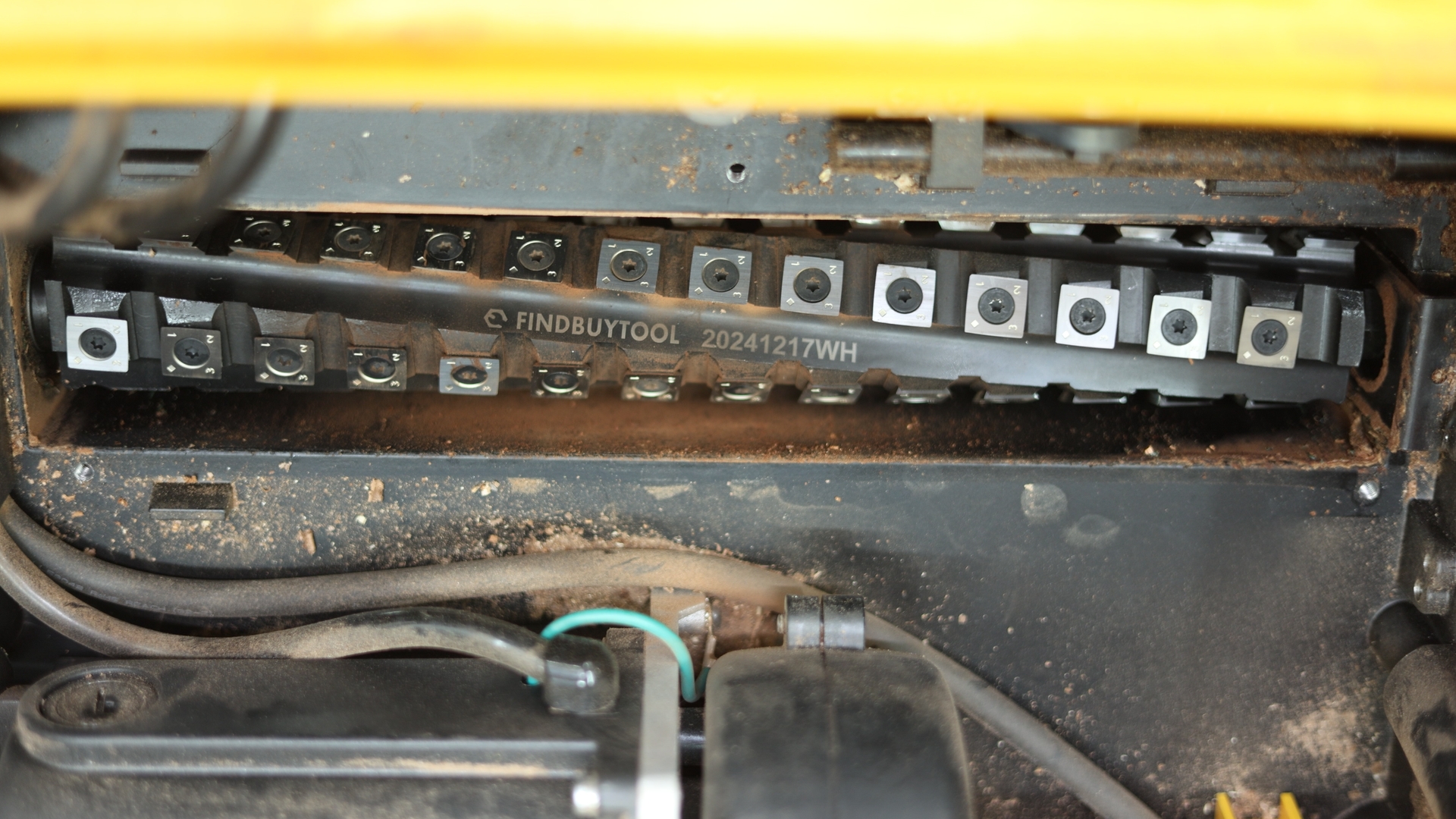
If you’ve been woodworking for a while, you’ve probably heard about helical head planers and how much better they are than straight knife planers. Smoother finish, less tearout, quieter operation, longer blade life—what’s not to like? But here’s the question: should you upgrade your existing planer to a helical head, is it actually worth it?
I recently found myself asking this exact question after testing the FindBuyTool 13” helical head planer. I was so impressed with the cut quality from that machine that I decided to take the plunge and upgrade my trusty DeWalt 735X with a FindBuyTool helical cutter head. In this DeWalt 735X helical head upgrade review, I’m going to share what I learned from the experience, and what you should consider if you’re thinking about making the same upgrade.
👉If you’re deciding between a full planer and an upgrade, check out my FindBuyTool vs. DeWalt 735X comparison.
Why I Upgraded My DeWalt 735X Planer
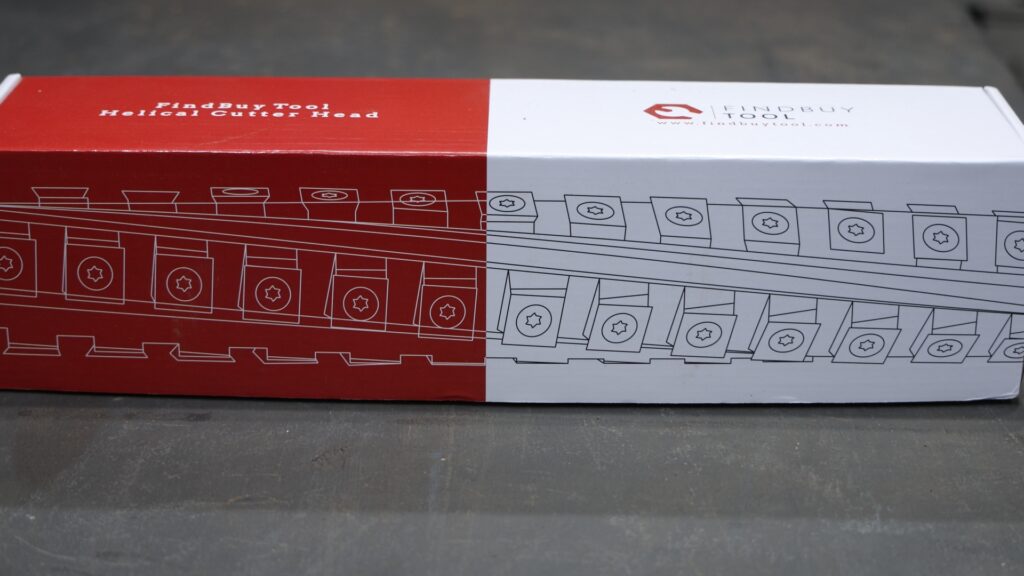
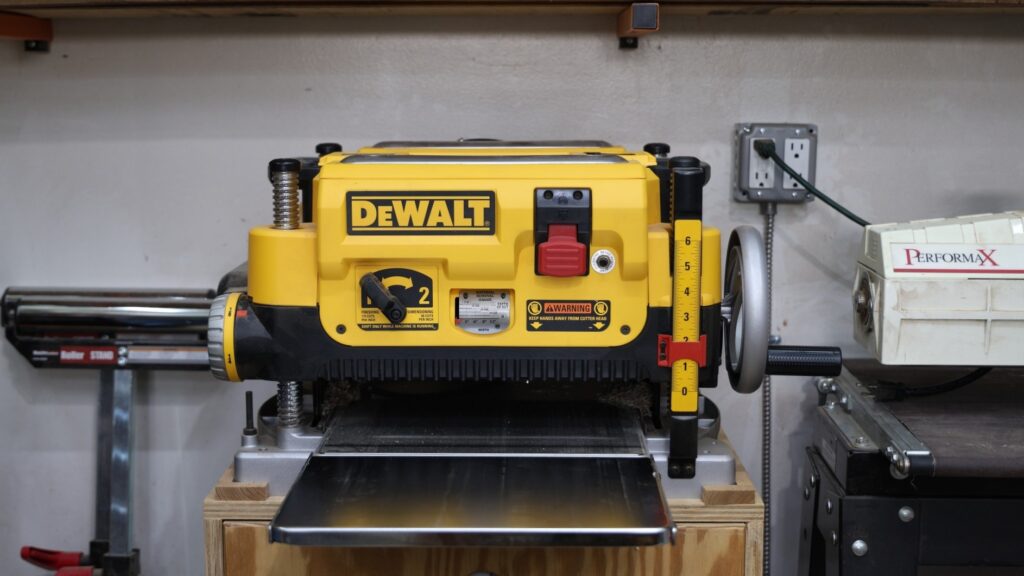
Look, I already had a DeWalt 735X that I really liked. It’s been rock solid for me, had enough power for anything I’ve wanted to build, and I was familiar with all its quirks. When I saw how much better the surface quality was with helical technology, I had to ask myself: could I get that same performance from my existing planer?
The economics were interesting too. A FindBuyTool helical head upgrade costs around $300-$350, compared to $700+ for their complete new helical planer. If I could get similar results for less money while keeping a planer I already trusted, it seemed worth exploring.
But let me be clear—this path isn’t for everyone. If you’re not comfortable taking apart machinery, or if your planer is still under warranty, upgrading might not be the right choice for you.
Helical Head Installation Tips & Tools
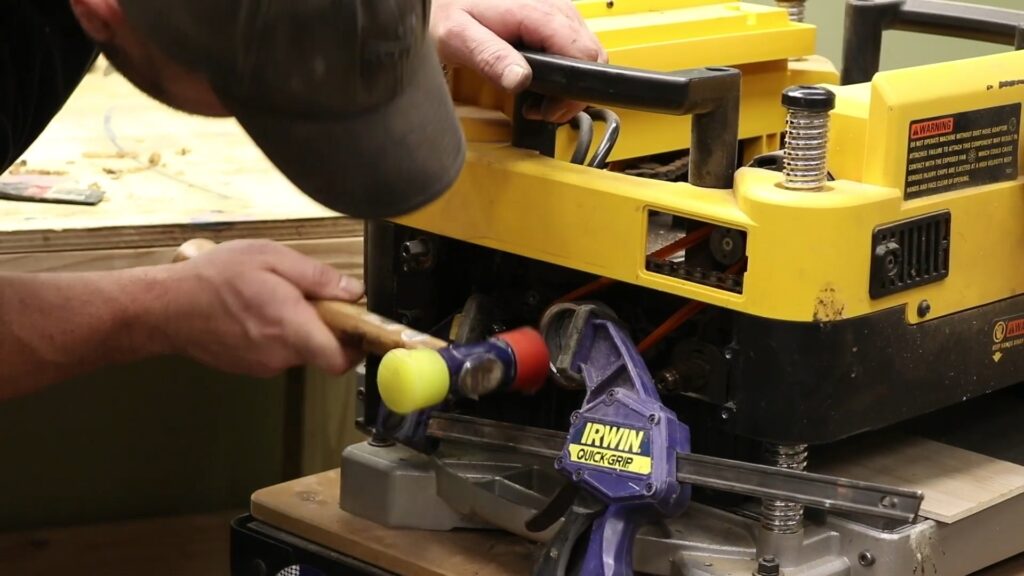
I’m not going to sugarcoat this—installing a helical head is essentially performing open heart surgery on your planer. It took me four hours to complete, as I’m not particularly mechanically inclined. I’m a woodworker, not an engineer.
Here’s what you should know about the process:
Time and Complexity: Plan on spending a full afternoon on this project. It’s not technically difficult, but it requires patience and attention to detail. I followed FindBuyTool’s install video for most of the process, but had to dig around for pulley reattachment help—most videos skip it. But I was able to find a video that showed me how to attach it pretty easily.
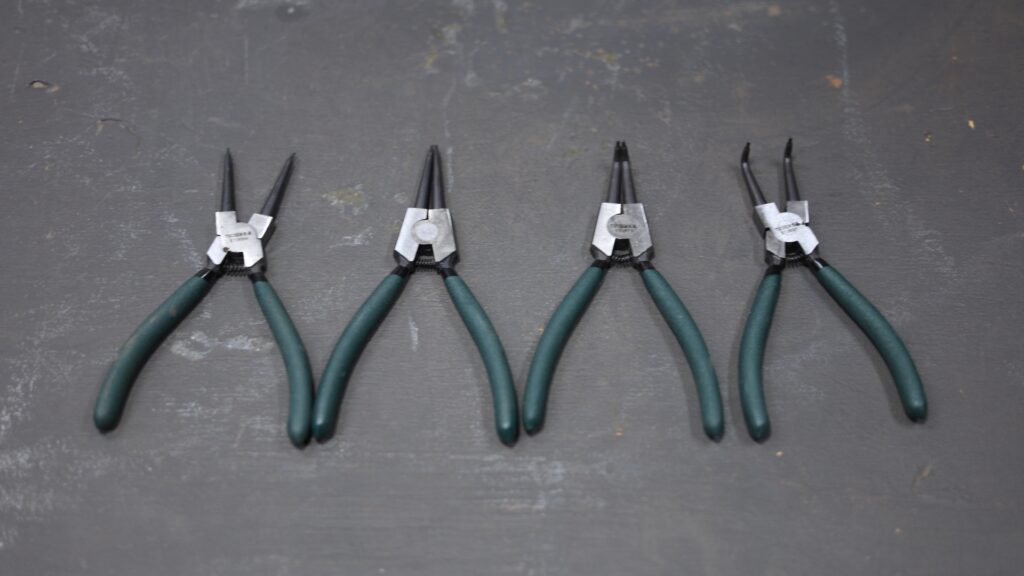
Tools Required: You’ll need basic hand tools plus snap ring pliers (which I’d never heard of before this project). You can get a decent set on Amazon for pretty cheap. The helical head kit should include everything else you need.
Extra Parts: FindBuyTool included plenty of extra screws, which turned out to be necessary. Some of the screws just wouldn’t thread properly into the holes, but having extras meant the project didn’t come to a grinding halt.
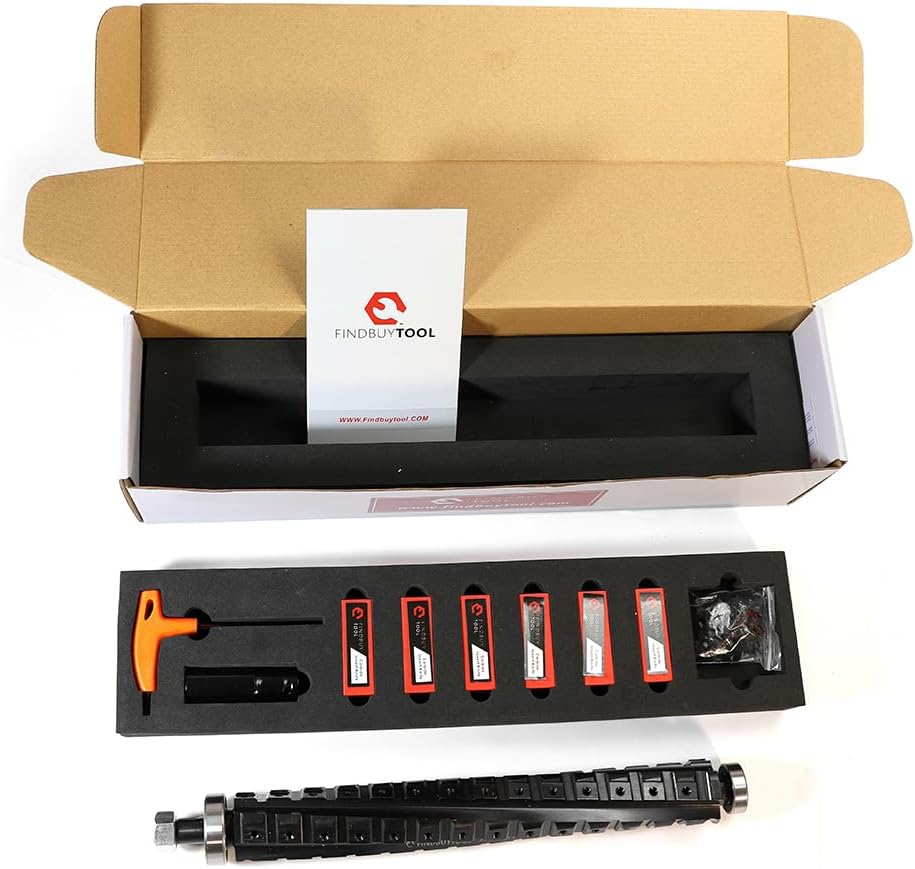
Warranty Considerations: This is a big one—installing an aftermarket helical head will almost certainly void your planer’s warranty. Make sure you’re okay with this before you start taking things apart. Since my DeWalt had been out of warranty for years, this wasn’t a concern for me.
The Results: Is a Helical Cutter Head Worth It?
Performance
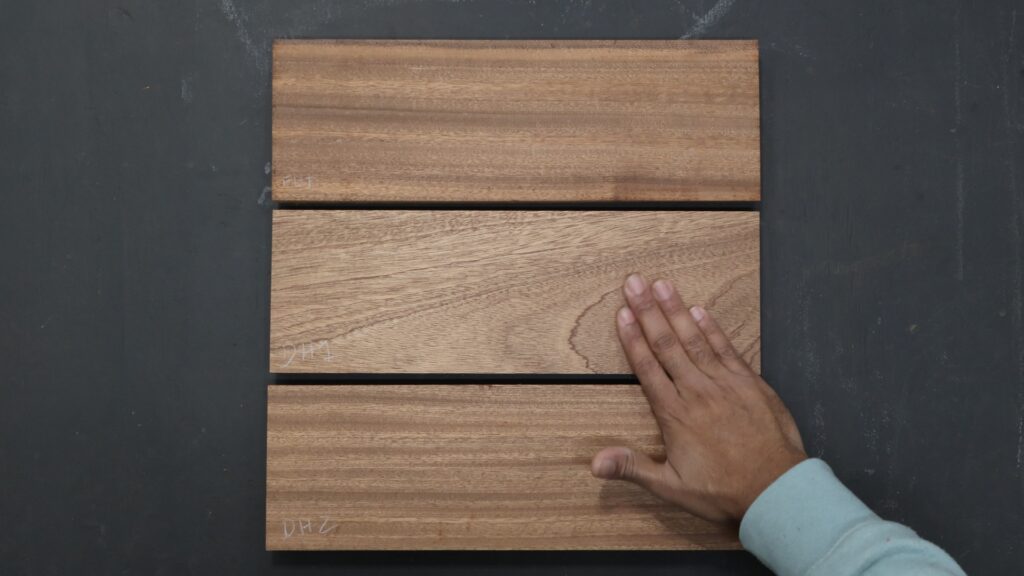
The helical cutter head transformed my planer’s performance. The finish quality was noticeably smoother than with straight knives—it felt really similar to the results I got from the FindBuyTool helical planer. The surface it produced felt like it was ready for finish right out of the planer.
The tearout reduction was immediately noticeable, especially when working with figured woods. What used to be a frustrating experience of trying to minimize damage became actually enjoyable. I initially tested it with only sapele, but later tried it on different woods that tend to be more challenging to work with, and the results all came out flawless.
As for noise, it may have been slightly quieter, but honestly, you still need hearing protection. The sound character changed more than the volume—it’s more of a pleasant hum than the aggressive growl of straight knives.
Value
From a performance standpoint, the upgrade was an immediate win — smoother cuts, noticeably less tearout, and a slightly quieter planer. But for me, the bigger surprise was realizing how much sense it makes financially over the long haul.
Straight-knife blades for the DeWalt 735X run about $40-$75 per set, and if you replace them once a year (pretty common for a hobbyist), that’s $400-$750 in blade costs over a decade. If you use your planer more heavily, that number climbs even faster.
A helical cutter head uses solid carbide inserts that can be rotated to a fresh edge four times before replacement, and they often last up to 40 times longer than straight knives. If one gets damaged, you replace only that insert instead of the entire set. Over time, that means far fewer replacements, less downtime, and a lot less sanding time, which is a savings in itself.
So while $300-$350 for the upgrade isn’t small change, it’s a one-time investment that can pay for itself in just a few years, especially if you’re keeping your planer long term. For me, the combination of improved results and long-term savings made the decision a no-brainer.
When Upgrading Makes Sense (And When It Doesn’t)
Consider upgrading your existing planer if:
- You’re comfortable with mechanical projects
- Your planer is already out of warranty
- You want to save money compared to buying a whole new planer
- You like your current planer’s features and capacity
- You work a lot with figured woods or species prone to tearout
Skip the upgrade and buy new if:
- You’re not handy with tools or don’t enjoy tinkering
- Your planer is still under warranty and you want to keep it that way
- You’d rather have the peace of mind of a complete new machine
- You work mostly with softwoods where tearout isn’t a major issue
Comparing Your Helical Head Planer Options
If you’re considering helical head technology, you’ve got three main paths:
- Upgrade your existing planer (what I did) – Most cost-effective if you’re handy and out of warranty
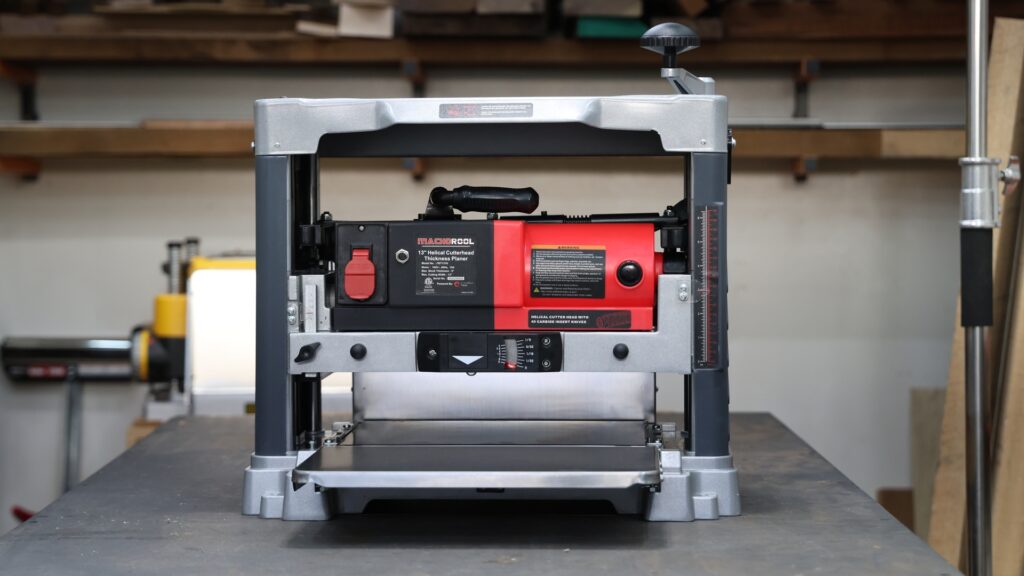
- Buy a budget helical head planer like the FindBuyTool – Best value for a complete new machine
- Buy a premium helical head planer – You’re looking at $1,000+ but get top-tier features
The right choice depends on your budget, comfort level with DIY projects, and how much you value having a warranty on your equipment.
The Bottom Line
Do you need a helical head planer to do good woodworking? No, you don’t. Plenty of great work gets done with straight knife planers, or even no planer at all.
But if you want one, upgrading your existing planer can be a cost-effective way to dramatically improve your results. The helical head upgrade worked exactly as advertised—my DeWalt now produces surfaces that rival much more expensive planers, and I didn’t have to learn a new machine or give up features I liked.
Would I do it again? Absolutely. The improved surface quality alone made it worth the four hours of installation time and the cost of the upgrade. Add in the long-term value and it’s a no brainer.
Companies like FindBuyTool are making helical head technology much more accessible to hobbyist woodworkers. Whether you choose to upgrade your existing planer or buy new, the technology has come down in price enough that it’s worth serious consideration if you’re looking to step up your milling game.
The key is being honest about your skill level, warranty situation, and what you’re hoping to get out of the upgrade. For me, it was exactly the right choice—but your situation might be different.
Frequently Asked Questions
Will upgrading void my warranty? Yes, installing an aftermarket helical head will void your manufacturer’s warranty. This is probably the biggest consideration for newer planers.
How much should I expect to spend to upgrade my current planer? A helical cutterhead upgrade typically costs between $300-$500, depending on your planer model and the brand. I used a FindBuyTool head, which ran me about $330 and included extra screws and carbide inserts. Another popular brand is Byrd Shelix, which is more expensive at $400-$500, but has a strong reputation.
Is a helical cutter head a good investment? Yes — if you use your planer regularly and plan to keep it for years. While the upgrade costs $300+, carbide inserts last up to 40 times longer than straight knives and can be rotated four times before replacement. Over a decade, that can save hundreds in blade costs, plus you’ll get smoother cuts, less tearout, and less sanding.
How long do helical inserts last? Much longer than straight knives. Each carbide insert can be rotated four times before replacement, and they typically last up to 40 times longer than straight knives.
Is the installation really that difficult? It’s not technically difficult, but it does require patience and basic mechanical aptitude. If you can assemble IKEA furniture without losing your mind, you can probably handle this.
What if something goes wrong during installation? Since you’re voiding the warranty anyway, you’d be on your own for repairs. Make sure you’re comfortable with this risk before starting the project.
✅ Ready to upgrade? You can get the FindBuyTool helical cutter head here or check out my FindBuyTool FB131H planer review to see how it performs out of the box.